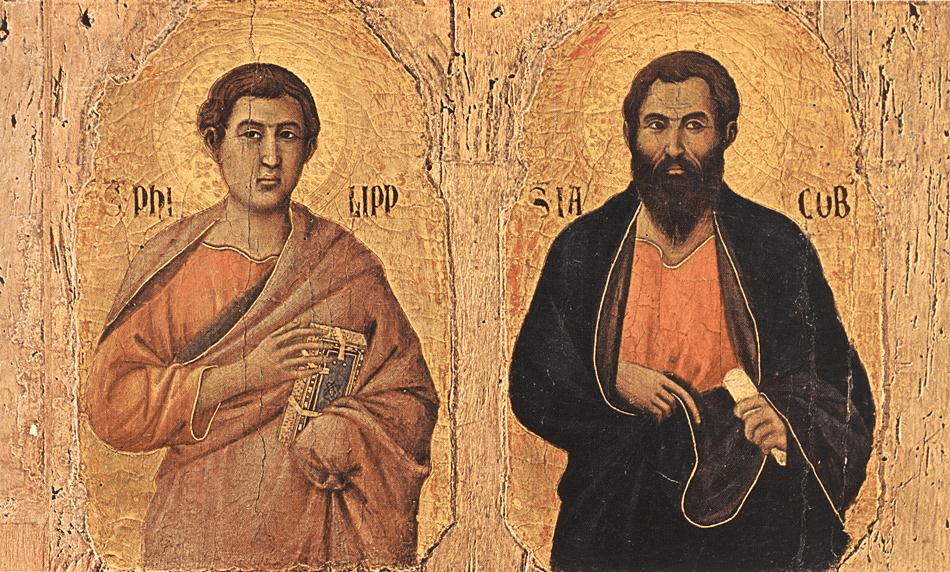
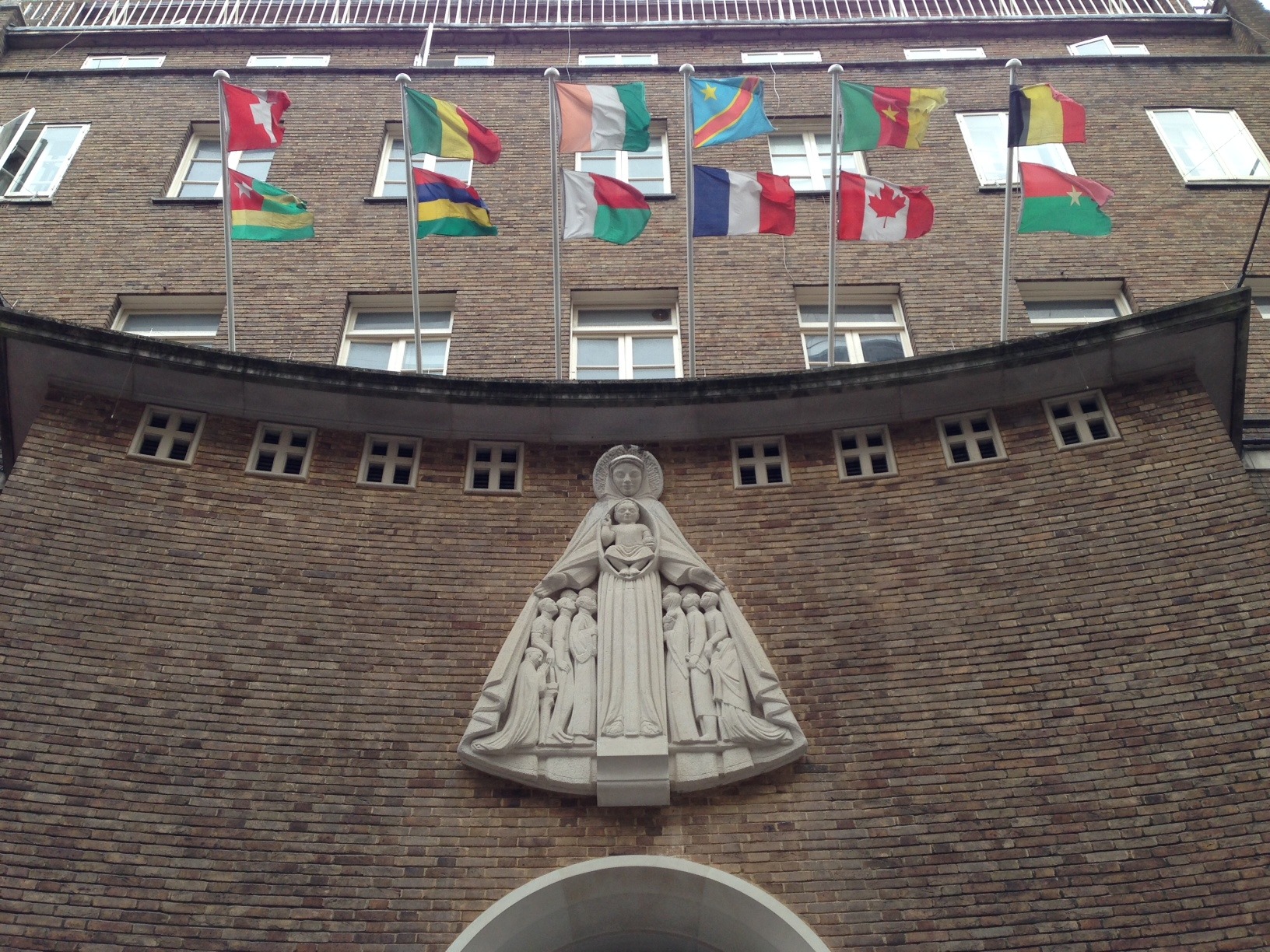
This homily was delivered on 3 May 2014 on the feast of the apostles Philip and James, based on John 14:6-14.
Today we remember Sts. Philip and James, two of the lesser known apostles of our Lord. We know little of very little of them compared to the likes of Simon Peter, John, Matthew, and even Judas Iscariot.
This reflection on the Sunday of Divine Mercy is on John 20:19-31.
When I was 10, I cut myself doing an Art Project. I must have used the wrong tool or just made the wrong move, but before I knew it, my finger was bleeding. Profusely. Nobody else was in the room, and so I did what only a frightened 10-year old would do: I pretended it didn’t happen. To dull the pain, I shook my finger as vigorously as I could. But the pain didn’t go away, the bleeding didn’t stop, and I realized, to my horror, that I had splattered blood all over the furniture.
This homily was delivered on Easter Sunday, 20 April 2014, based on John 20:1-9.
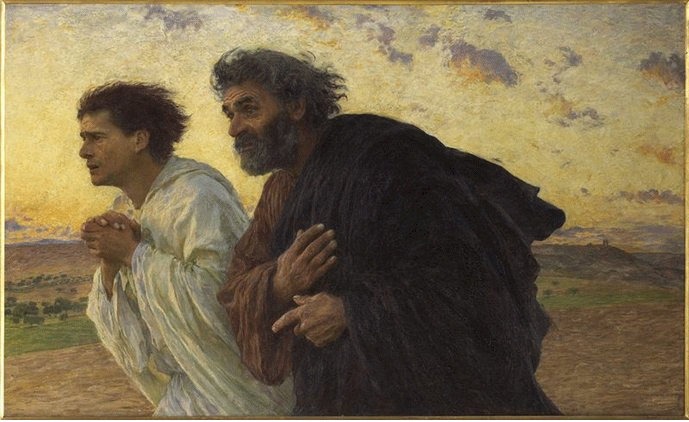
Eugène Burnand: Peter and John Running to the Tomb
This event is one of the earliest ones concerning the Resurrection; it happens early Easter morning. As we read from the Gospel, Mary Magdalene shows up at Jesus’ tomb while it is still dark, but is surprised and distressed to see the stone removed from Jesus’ tomb. So she rushes away to report this to Simon Peter and another disciple (whom many identify as the Evangelist) and tells them her very logical conclusion that the body of Jesus has been stolen.
Curious and disturbed about the news, the disciples decide to check it out for themselves. They’re understandably worried and clearly eager to find out because we’re told that they run to the tomb. In fact, the other disciple runs faster than Peter–either because he’s more fit or more desperate, we’re not sure–and arrives at the tomb first. We don’t know why, but probably out of courtesy, he does not go into the tomb until Peter gets there and in fact, he lets Peter go in first.
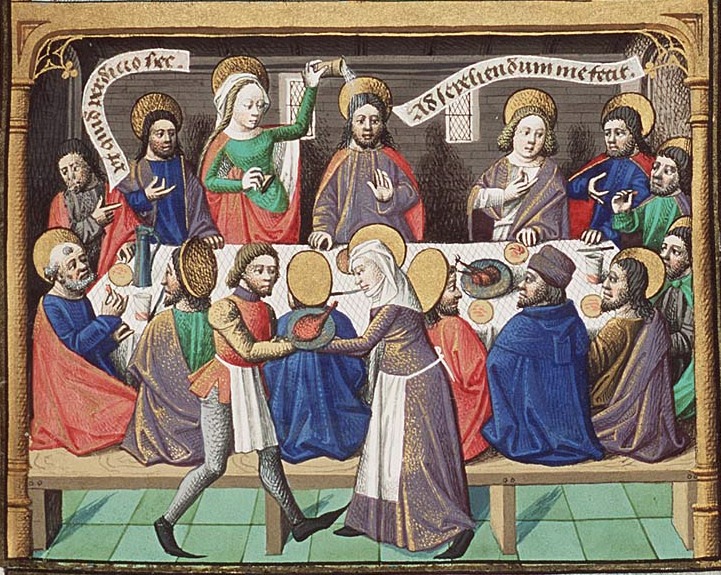
Before the Last Supper, there was one other special supper recounted in the 12th chapter of the Gospel according to John.
It was actually a dinner thrown by the friends of our Lord, the siblings Martha, Mary, and Lazarus of Bethany. Just barely a week before his arrest and crucifixion, Jesus attended what might have well been an accidental despedida party of sorts, and here we see how our Lord provoked such a wide variety of responses from the different people around him.
This reflection is on Matthew 21:1-11, from the Palm Sunday Readings.
A friend who has lived in London for years took me yesterday to a Catholic church hidden in a side street near Leicester Square. The church, built by the Marist Fathers and dedicated to the Notre Dame de France, features a number of religious art works by such eminent artists as Jean Cocteau (murals), Georges-Laurent Saupique (base relief carving of Our Lady of Mercy), and Boris Anrep (Mosaic of the Nativity).